


A Love Without Bounds:
Luca and Jill’s Story
Pitched, photographed and co-written for the San Francisco Chronicle
Finalist, Portrait, Pictures of the Year International
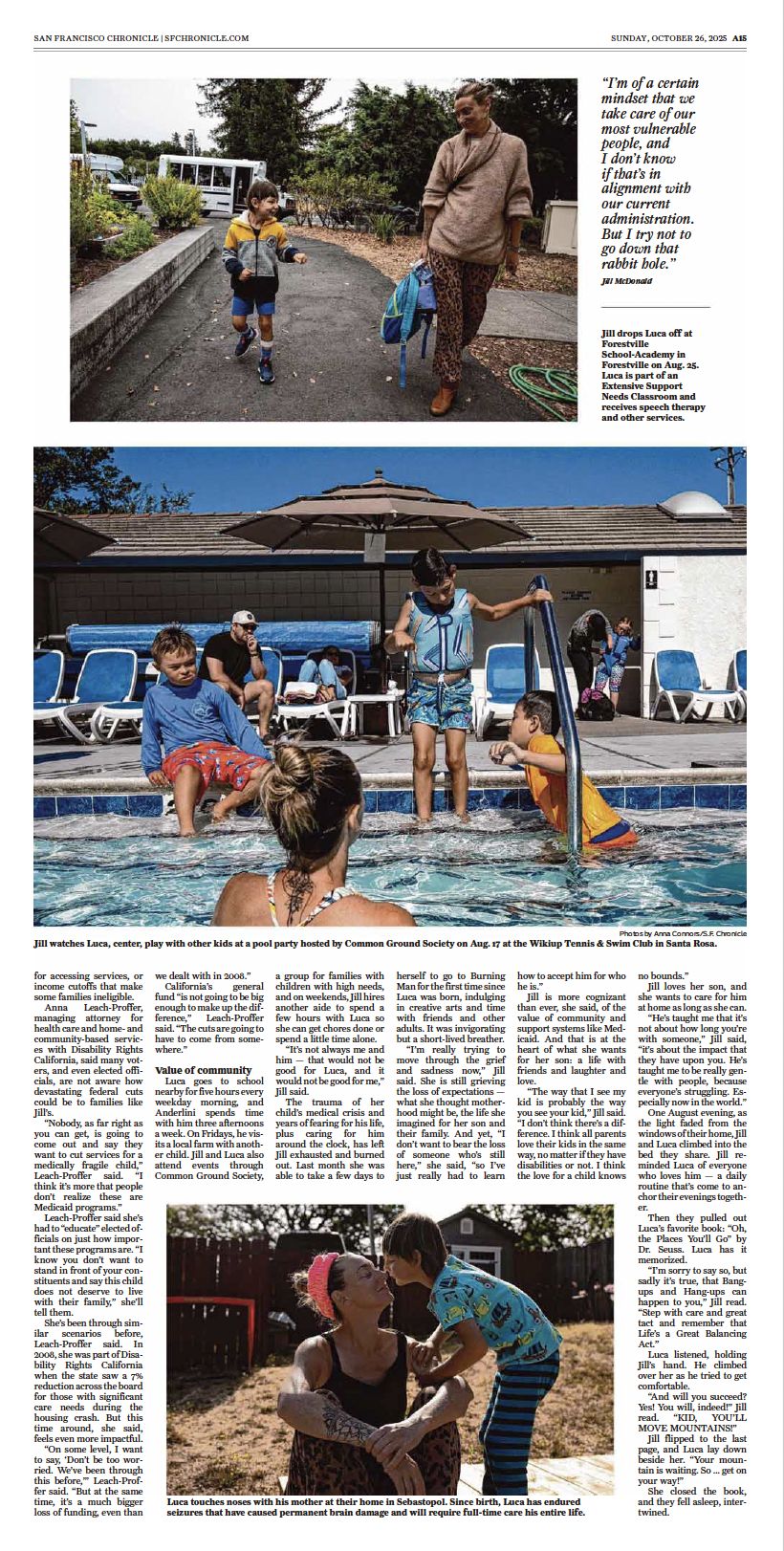
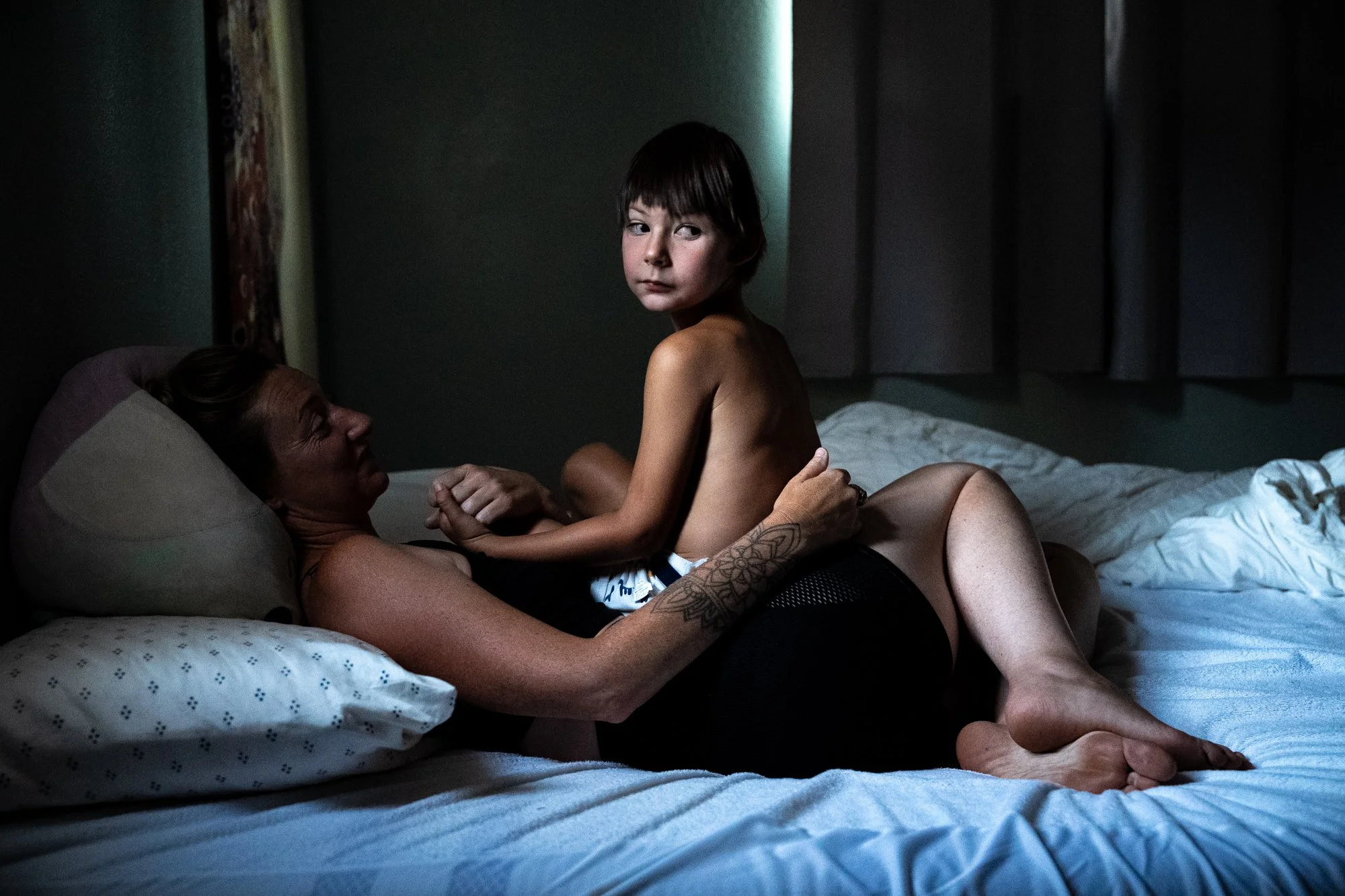
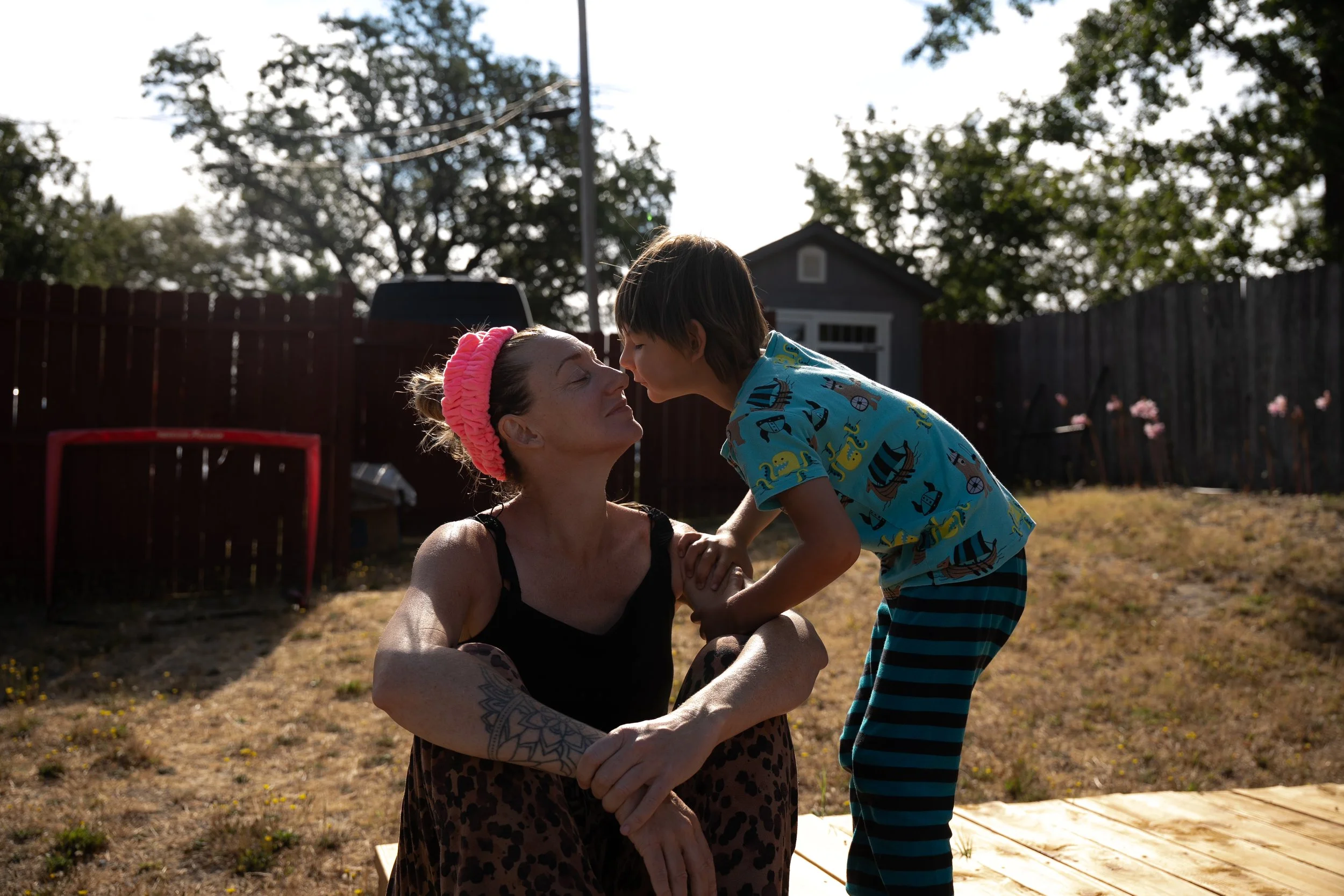
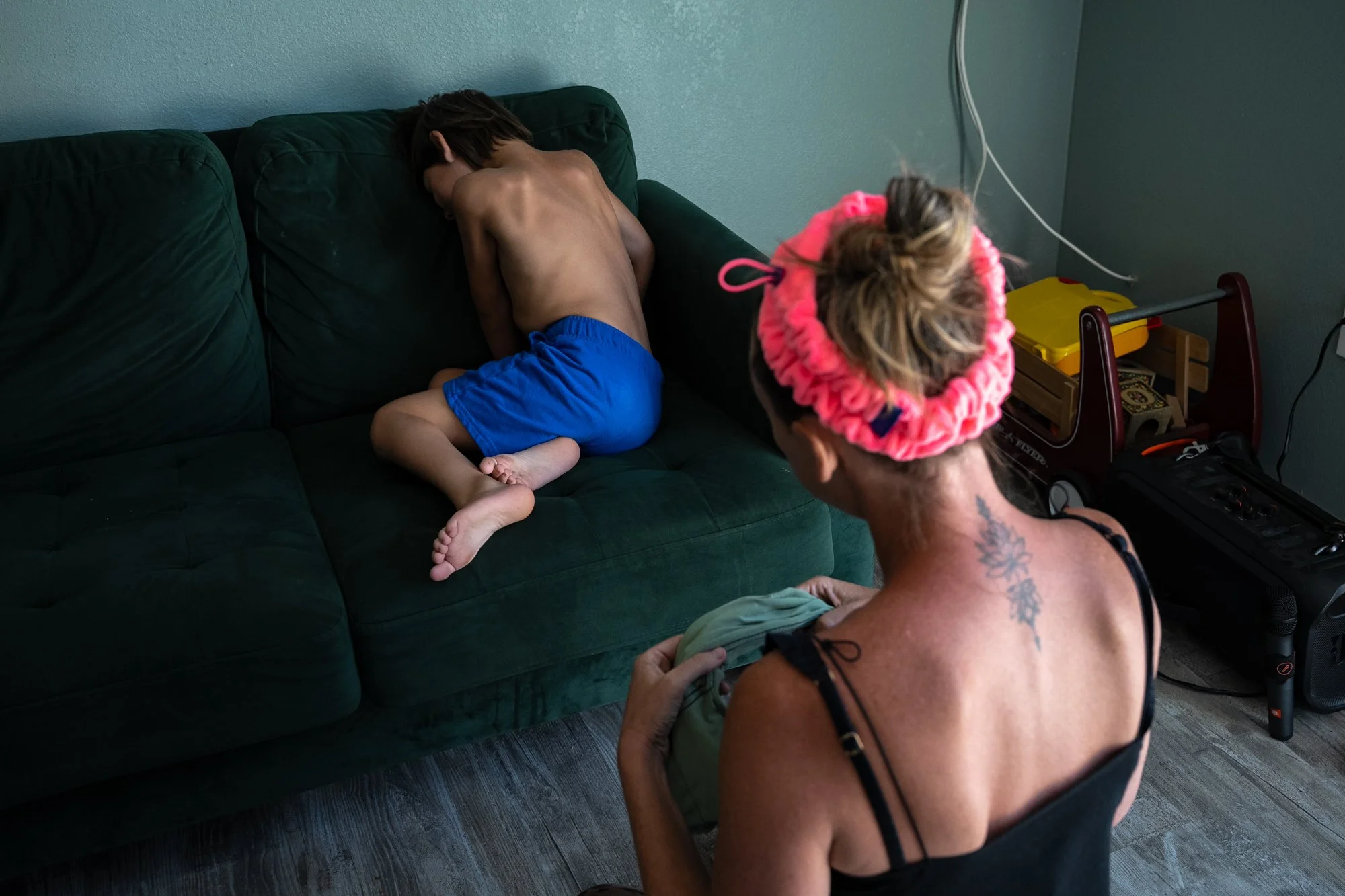
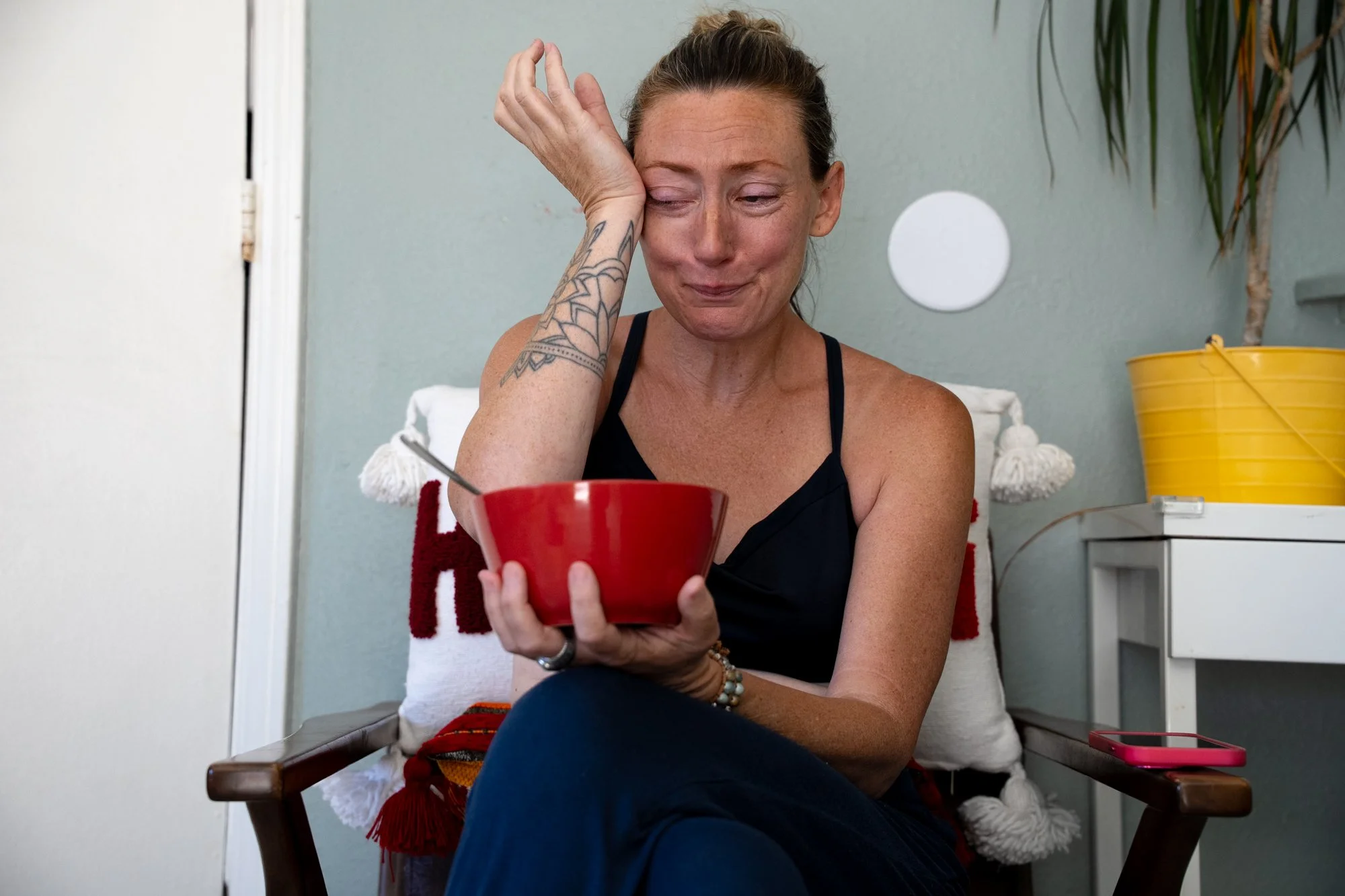
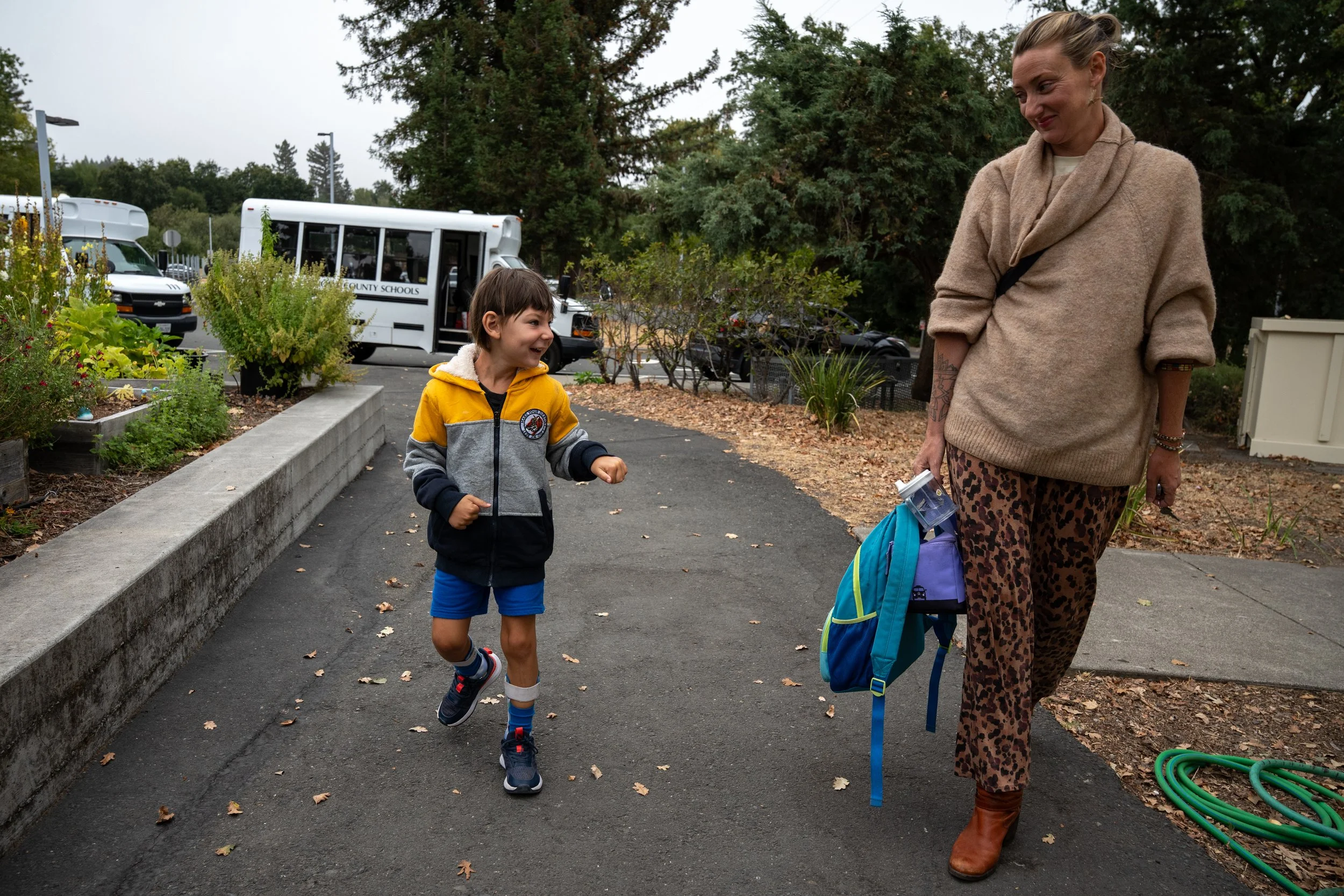
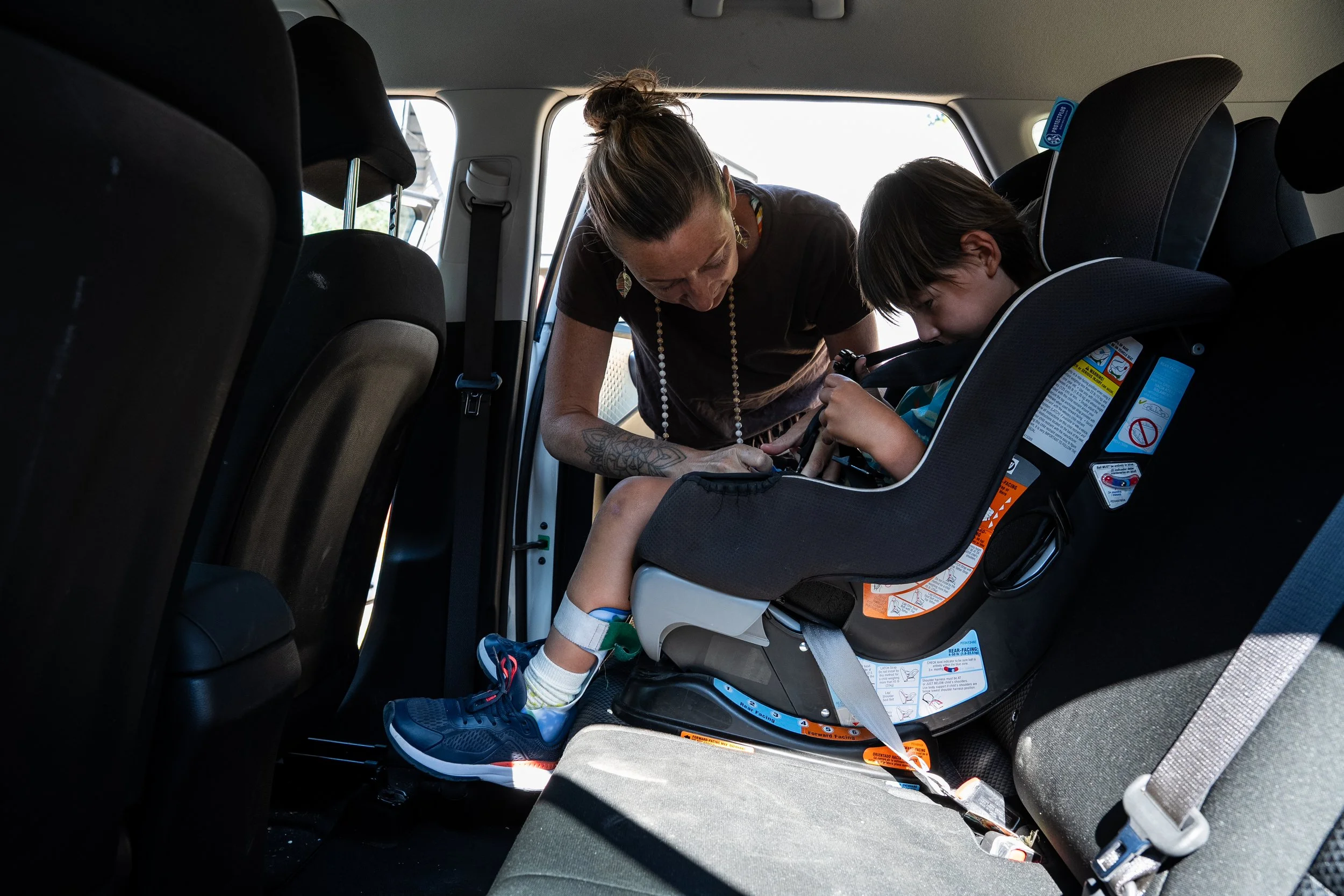
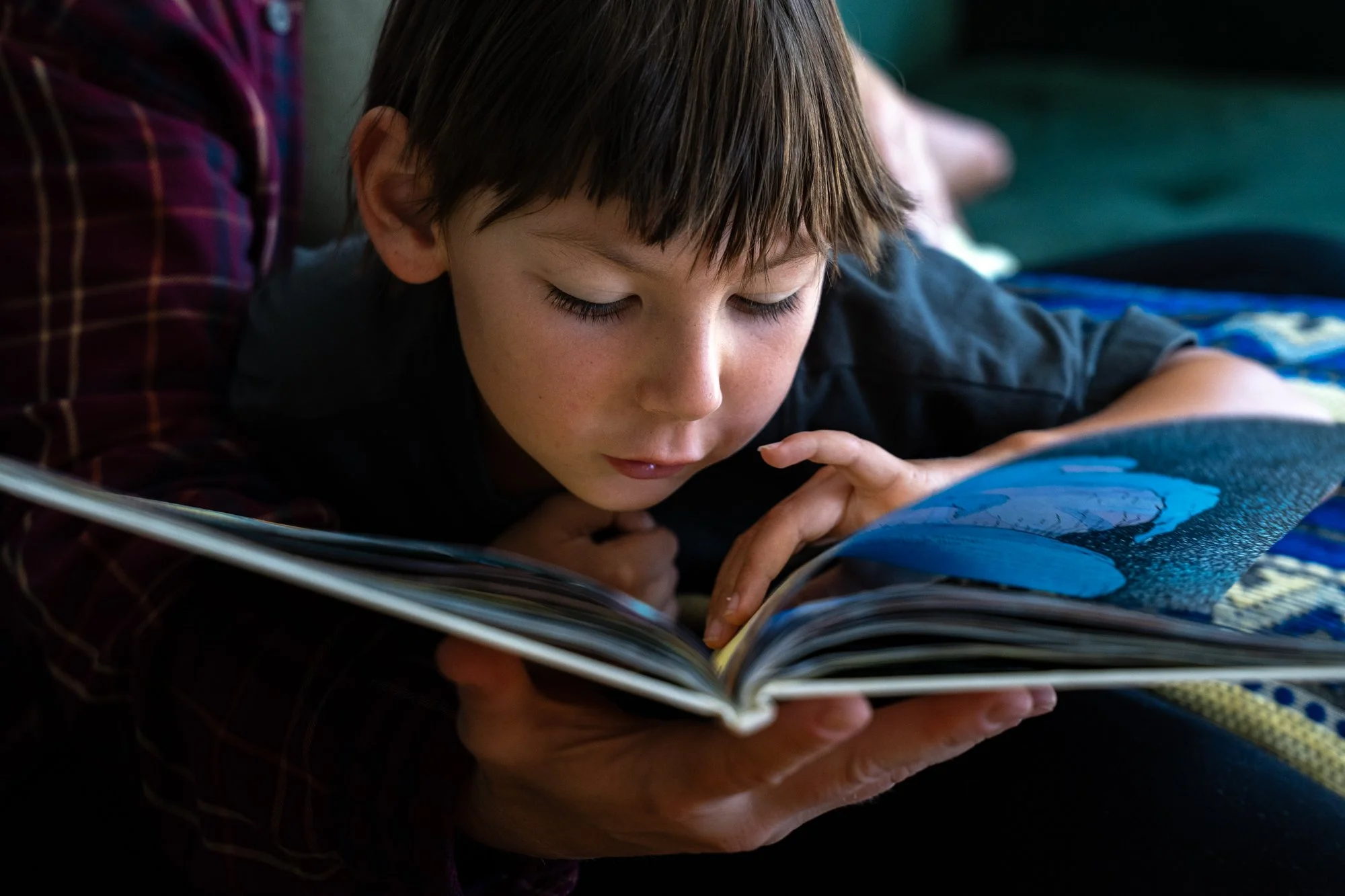
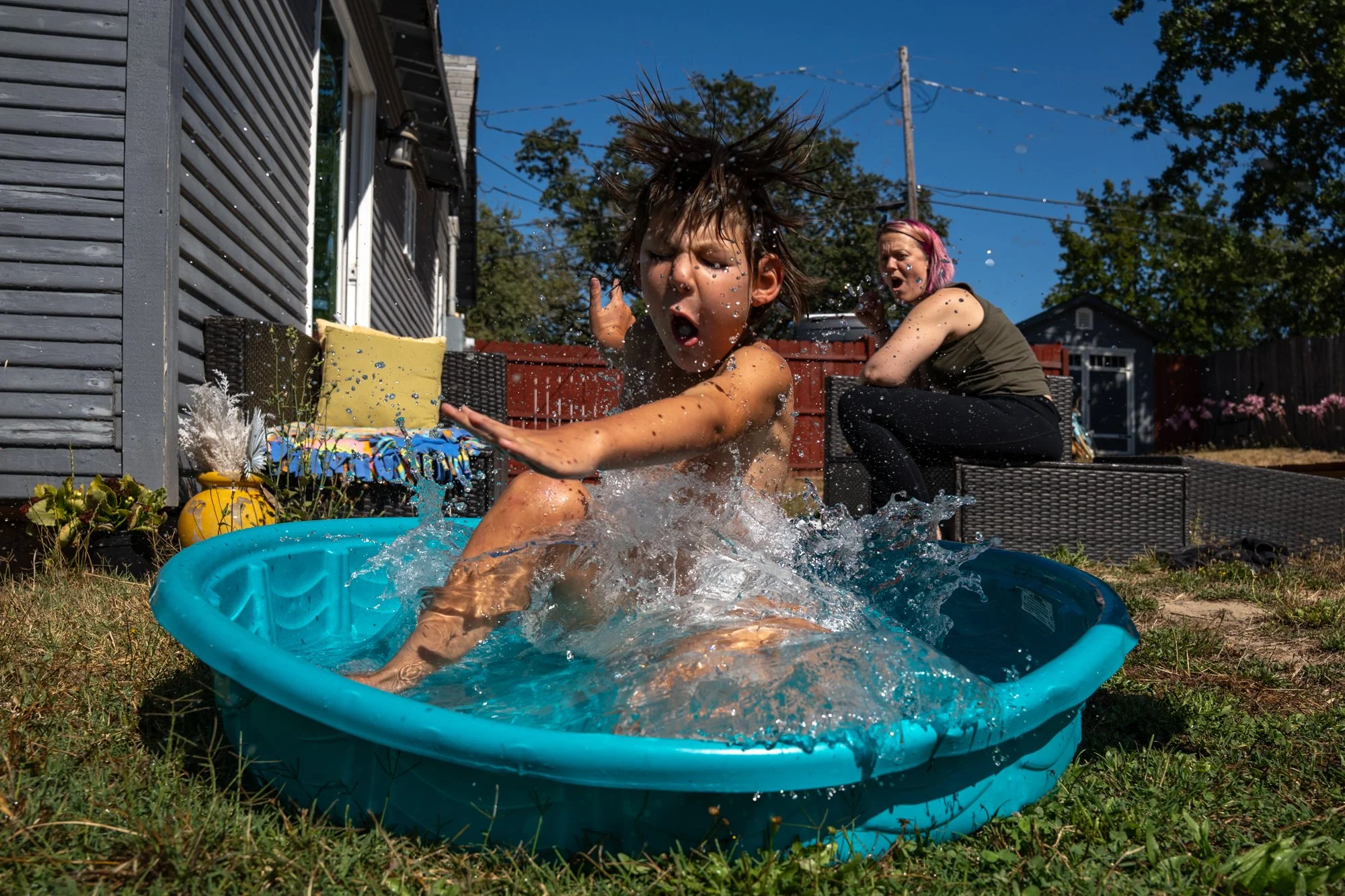
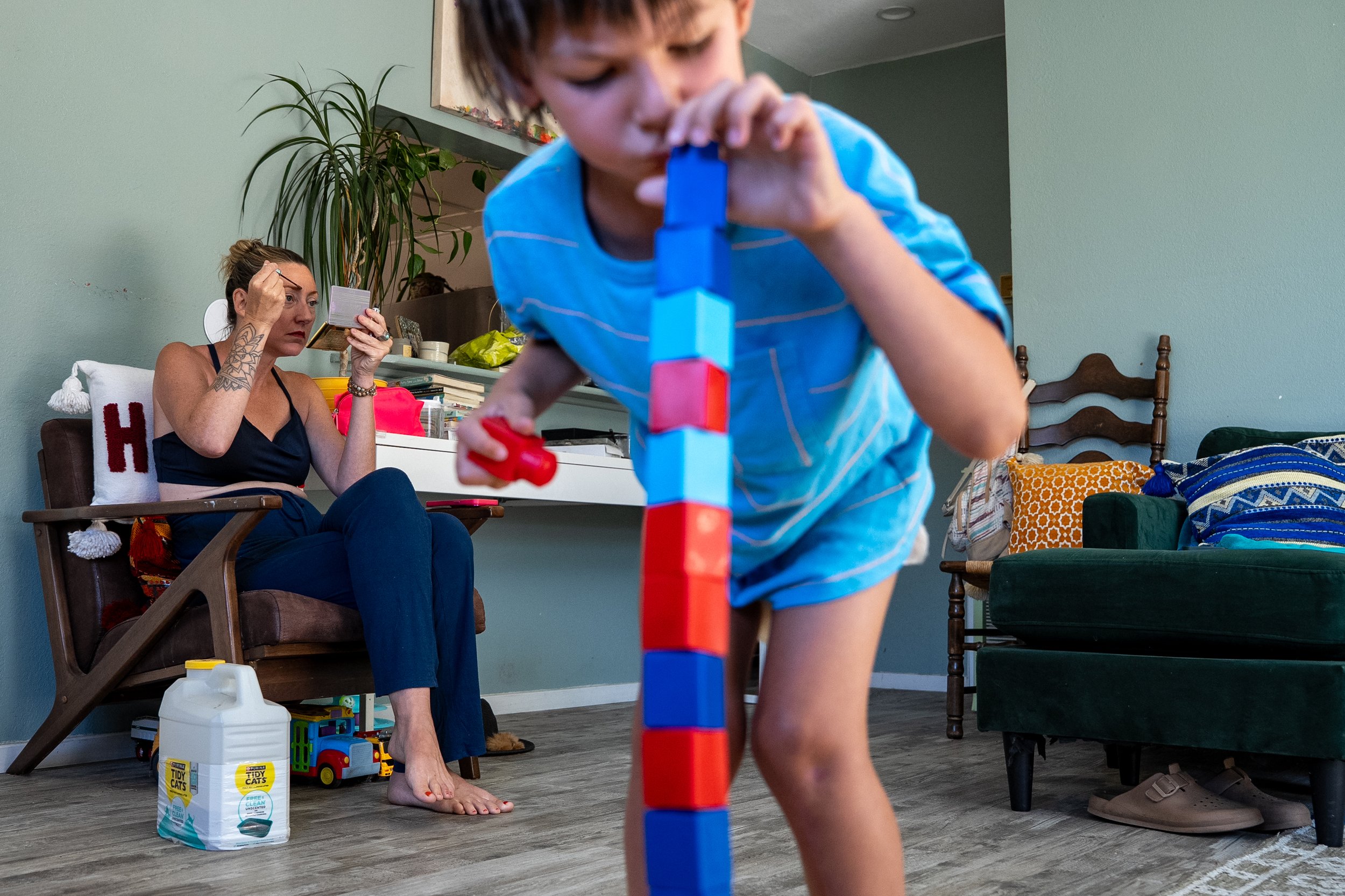
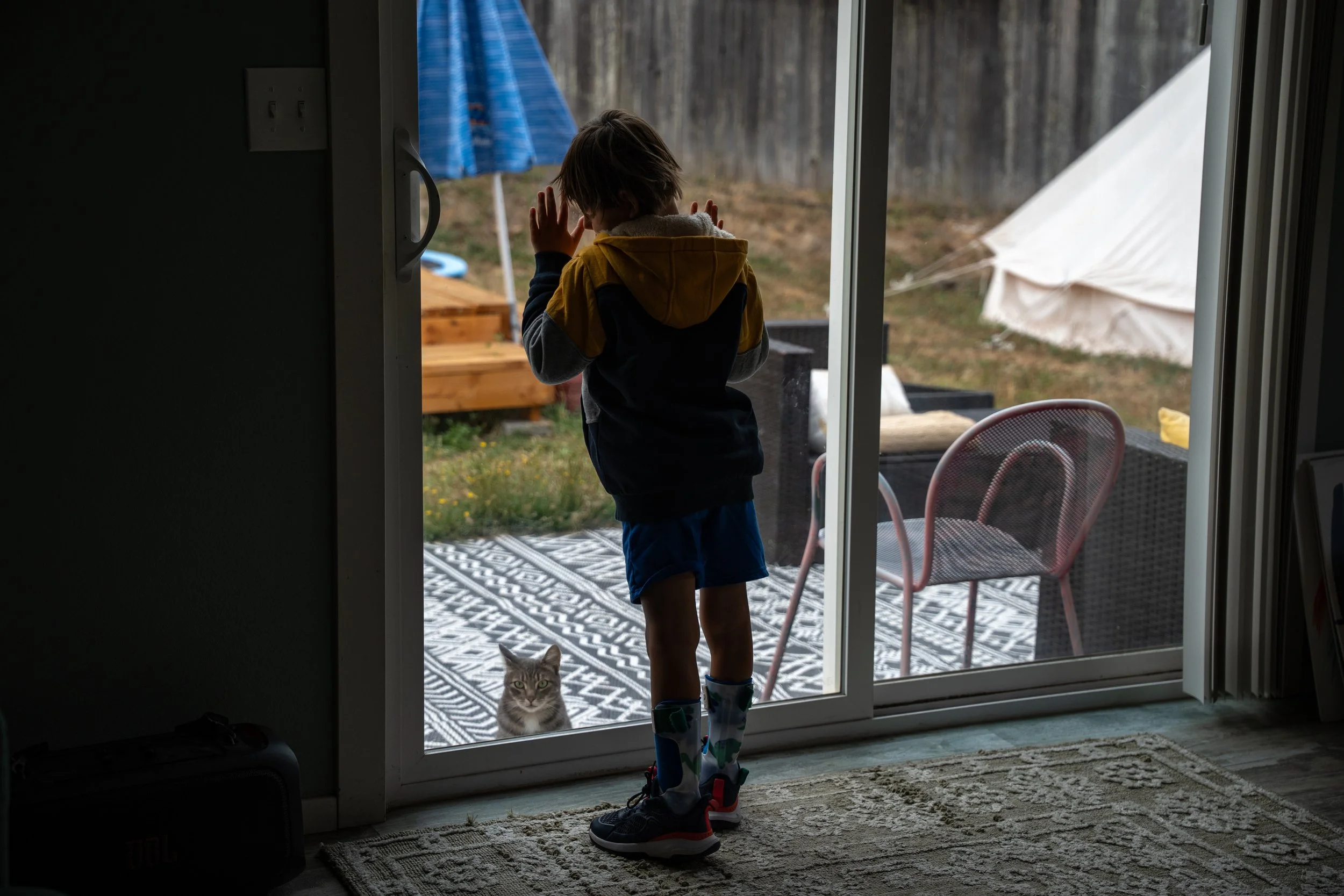
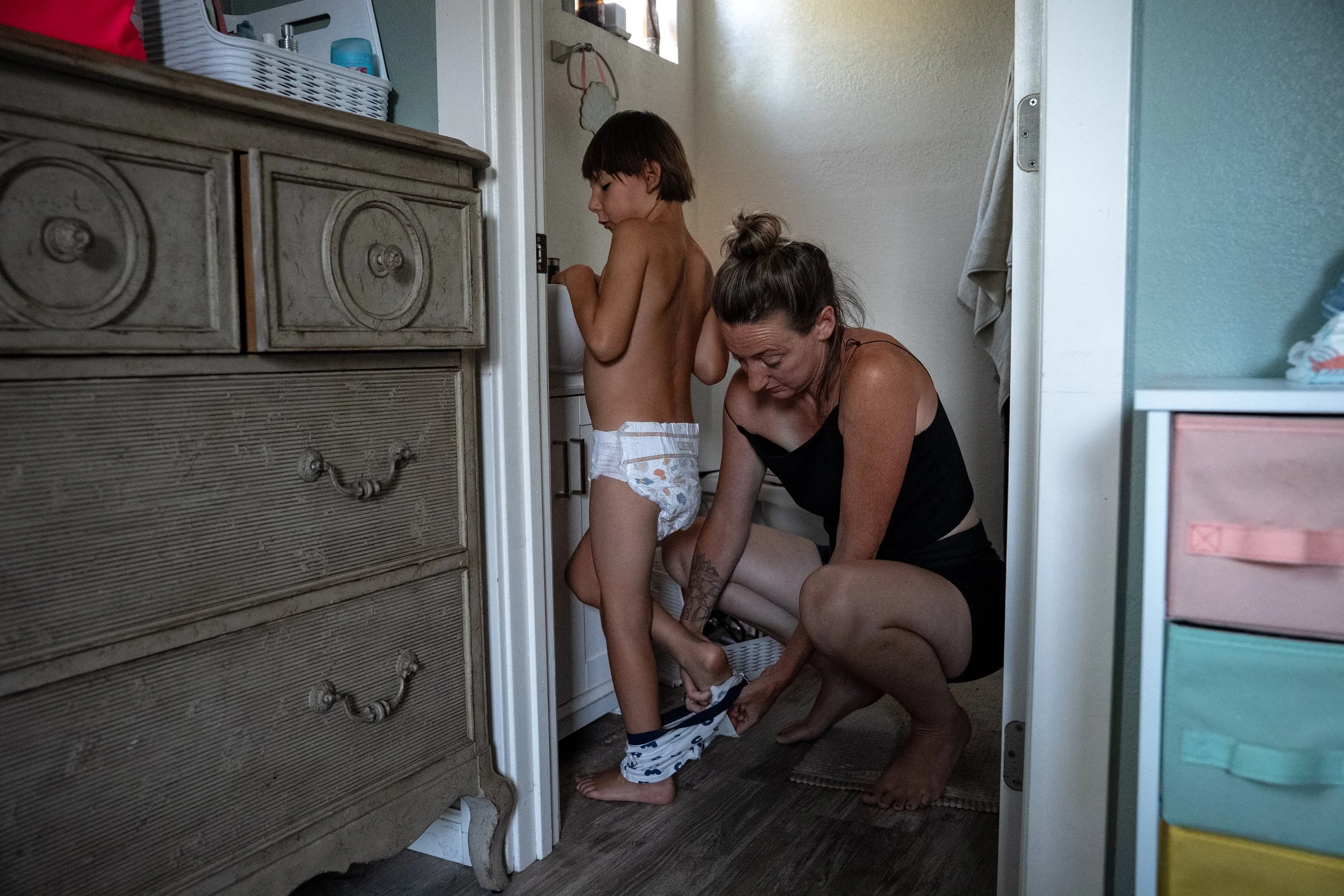
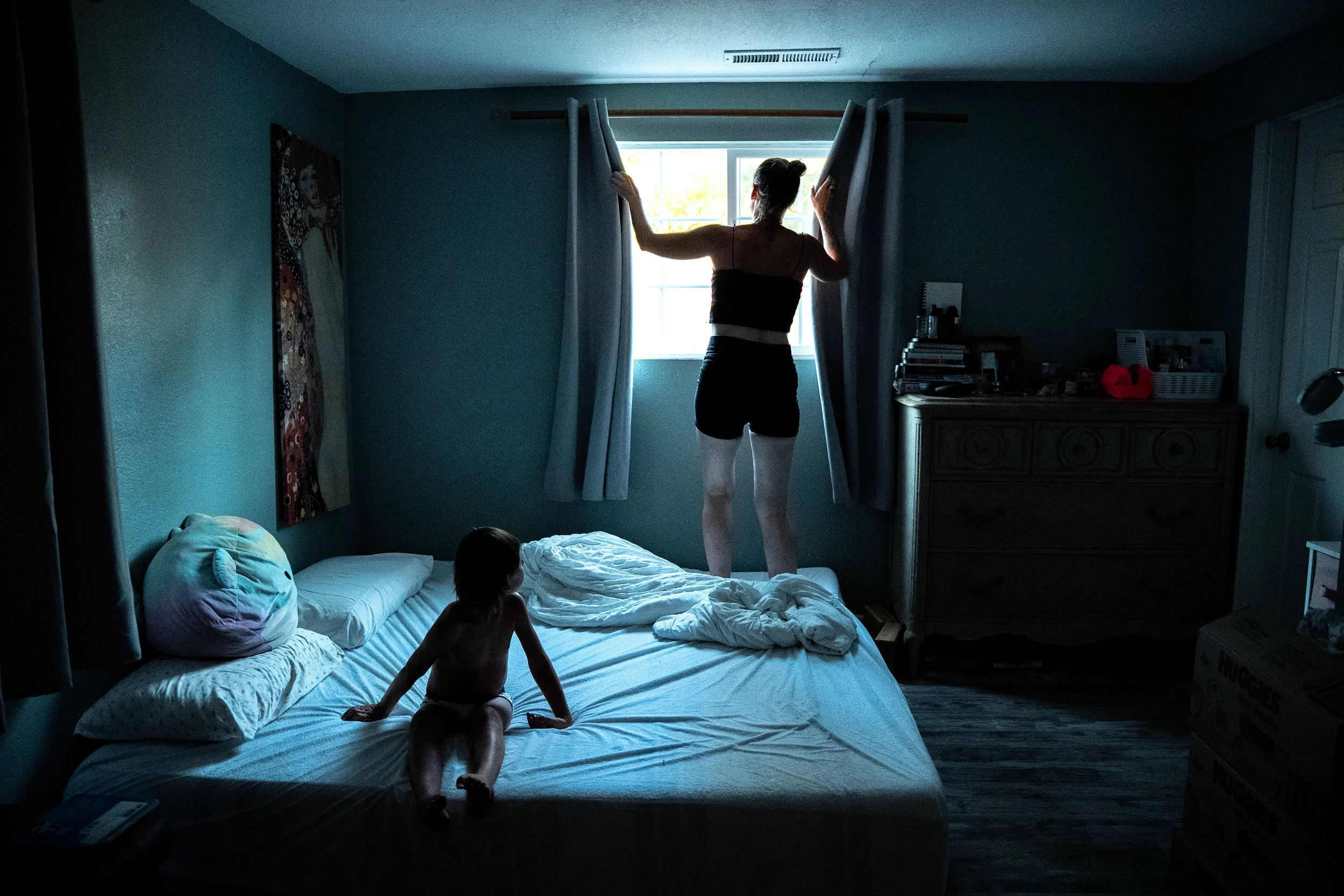
Jill McDonald, 46, has built her life around caring for her 5-year-old son, Luca Amine-Hadir. Born in San Francisco, Calif. at the height of the pandemic, Luca lives with profound autism and a severe form of intractable epilepsy. Jill and Luca’s father, Najib, pursued every possible medical treatment, including a 16-hour brain surgery at 18 months old, which lessened the frequency of Luca’s seizures but failed to stop them.
A year ago, Jill discovered she was eligible for In-Home Supportive Services (IHSS) and the Home and Community Based Alternatives (HCBA) waiver, Medicaid services that allow her to be paid to care for Luca at home—services designed to keep children like him out of institutions that would cost the state millions. “It’s much more efficient to pay his mother, who actually really loves him and wants to take care of him as long as I can,” Jill said.
Now, these supports are at risk of disappearing. With the passage of Trump’s One Big Beautiful Bill, California faces an estimated $4.8 billion Medicaid deficit in the coming budget year. Health care experts like Anna Leach-Proffer, managing attorney for healthcare and home and community based services at Disability Rights California, warn that home and community-based services—the very programs Jill and Luca rely on—will likely be among the first to be cut. “On some level, I want to say, ‘Don't be too worried. We've been through this before,’” Leach-Proffer said, pointing to the 2008 recession, where California imposed a 7% cut across the board to In-Home Supportive Services (IHSS). “But at the same time, it's a much bigger loss of funding, I think, even than we dealt with in 2008.”
Jill wants people to see Luca the way any parent sees their child. “I don’t think there’s a difference,” she said. “The love for a child, it knows no bounds.”